
Burger Bun Types: Complete Guide to Choosing the Perfect Bun
The perfect burger starts with the perfect foundation. While most people focus on the patty, cheese, and toppings, choosing the right burger bun types can make or break your burger experience. From classic sesame seed to rich brioche, each bun brings its own texture, flavor, and personality to the table. This comprehensive guide walks you through every major type of hamburger bun so you can match the ideal bun to your burger every time.
Why the Right Bun Matters
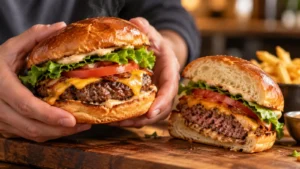
A burger bun isn’t just a vessel for holding ingredients together. It plays three critical roles: structural support, flavor contribution, and textural contrast. The best burger buns absorb just enough juice without falling apart, complement the patty’s richness without overpowering it, and add a pleasant chew or softness that balances the entire bite.
When learning how to make the perfect burger at home, understanding your bun options is just as important as mastering patty techniques. A delicate crab cake burger needs a different foundation than a thick double cheeseburger, and choosing wisely elevates the entire dish.
Classic Sesame Seed Buns
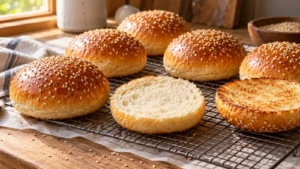
The sesame seed bun is the quintessential American burger bun, instantly recognizable from fast-food chains and backyard cookouts alike. These buns feature a soft white bread base with a lightly toasted exterior and a sprinkling of sesame seeds on top.
Flavor profile: Neutral, slightly sweet, with a subtle nuttiness from the sesame seeds. The mild flavor makes sesame buns incredibly versatile.
Texture: Soft and pillowy with a tender crumb. They compress easily under the weight of toppings but hold together well when toasted.
Best pairings: Classic cheeseburgers, smash burgers, bacon burgers, and any burger where you want the toppings and patty to be the star. The neutral flavor won’t compete with bold sauces or seasonings.
When to use: Sesame seed buns are your go-to for traditional American-style burgers and when feeding a crowd with varied tastes.
Brioche Buns: Rich and Buttery
Brioche buns have become the upscale choice at gourmet burger restaurants across the United States. Made with eggs and butter, these French-inspired buns are richer and more indulgent than standard burger buns.
Flavor profile: Buttery, slightly sweet, with an almost cake-like quality. The richness is noticeable but not overwhelming.
Texture: Soft and tender with a fine, tight crumb. The exterior develops a beautiful golden color when toasted, with a satisfying give when you bite through.
Best pairings: Premium beef burgers, lamb burgers, gourmet chicken sandwiches, and burgers topped with aioli, caramelized onions, or truffle mayo. The buttery flavor complements upscale ingredients beautifully.
When to use: Choose brioche when you want to elevate your burger experience or when serving burgers with rich, complex toppings. Be aware that brioche can become soggy faster than drier buns, so toast well and serve promptly.
Potato Buns: Soft and Slightly Sweet
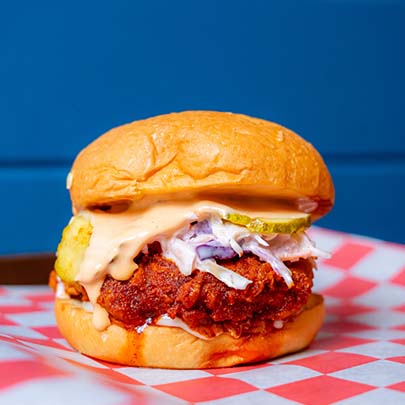
Potato buns incorporate mashed potato or potato flour into the dough, creating an exceptionally soft, pillowy texture that’s become a favorite for smash burgers and fast-casual restaurants.
Flavor profile: Mildly sweet with a subtle earthiness. The potato adds a gentle flavor that enhances without dominating.
Texture: Incredibly soft and squishy with excellent moisture retention. Potato buns stay fresher longer than many other types and resist drying out.
Best pairings: Smash burgers, crispy chicken sandwiches, pulled pork burgers, and any burger with tangy or acidic toppings like pickles and mustard. The slight sweetness balances sharp flavors beautifully.
When to use: Potato buns excel when you want maximum softness and a bun that won’t compete with bold seasonings. They’re particularly good for burgers with thinner patties where bun texture is more noticeable.
Pretzel Buns: Dense and Flavorful
Pretzel buns bring the distinctive flavor and texture of soft pretzels to the burger world. These dark, glossy buns are boiled in a baking soda solution before baking, creating their characteristic crust and flavor.
Flavor profile: Distinctly malty and slightly tangy with a subtle saltiness. The flavor is more assertive than most burger bun options.
Texture: Dense and chewy with a sturdy structure. The exterior has a satisfying bite, while the interior remains soft but substantial.
Best pairings: Bratwurst burgers, beer-braised burgers, burgers with sharp cheddar or blue cheese, caramelized onions, and mustard-based sauces. Pretzel buns pair beautifully with German-inspired flavors and robust meats.
When to use: Choose pretzel buns when you want the bun to be a featured flavor component, not just a neutral carrier. They work best with hearty burgers that can match their bold personality.
Whole Wheat and Multigrain Buns
For those seeking a heartier, more nutritious option, whole wheat and multigrain buns offer fiber, vitamins, and a nuttier flavor profile than white bread alternatives.
Flavor profile: Nutty, earthy, and slightly sweet depending on the grain blend. Whole wheat buns have a more pronounced wheat flavor, while multigrain varieties add complexity with seeds and various grains.
Texture: Denser and more substantial than white buns, with a coarser crumb. Quality matters here; good whole wheat buns are tender despite the heartier texture, while cheaper versions can be dry.
Best pairings: Turkey burgers, veggie burgers, salmon burgers, and healthy burger recipes where you want to maximize nutritional value. The earthy flavor complements lighter proteins and vegetable-forward toppings.
When to use: Select whole wheat or multigrain buns when health is a priority or when the burger features lighter, leaner proteins that pair well with nutty, grain-forward flavors.
Lettuce Wraps and Low-Carb Options
For keto dieters, those with gluten sensitivities, or anyone looking to reduce carbohydrate intake, lettuce wraps and other low-carb alternatives provide a fresh, crunchy vessel for burger ingredients.
Flavor profile: Crisp, fresh, and neutral (for lettuce), or varied depending on the alternative. Iceberg and romaine add crunch without flavor; butter lettuce adds mild sweetness.
Texture: Crisp and watery with lettuce wraps; alternatives like portobello mushroom caps offer meaty texture, while cloud bread (egg-based) provides soft, airy structure.
Best pairings: Protein-style burgers, bunless cheeseburgers, and any burger where you want vegetables to shine. Lettuce wraps work particularly well with highly seasoned patties where the fresh crunch provides contrast.
When to use: Choose lettuce wraps for the healthiest burger bun options, when serving guests with dietary restrictions, or when you want a lighter, refreshing take on classic burgers. Be prepared for messier eating and have extra napkins ready.
How to Choose the Right Bun for Your Burger
Selecting what bun for burgers comes down to matching several key factors:
Consider your patty: Thick, juicy patties need sturdy buns like brioche or pretzel that won’t disintegrate. Thin smash burgers pair beautifully with soft potato or sesame buns. Delicate proteins like fish or crab benefit from lighter options that won’t overwhelm.
Match the flavor intensity: Strongly seasoned burgers can handle assertive buns like pretzel or whole wheat. Simple, classic burgers shine with neutral sesame or potato buns that let the beef flavor through.
Think about texture balance: Crispy fried chicken begs for a soft, squishy bun. Tender beef patties benefit from a bun with some structural integrity and chew.
Account for toppings: Wet toppings (tomatoes, pickles, sauces) require buns that resist sogginess. Toast your buns and consider brioche or potato varieties with good moisture resistance. Dry toppings pair well with any bun type.
Consider your audience: For crowd-pleasing appeal, stick with familiar sesame or potato buns. For adventurous eaters or special occasions, experiment with pretzel, brioche, or unique alternatives.
The Toasting Question
Regardless of which burger bun guide you follow, toasting is nearly always recommended. Toasting creates a barrier that slows sauce absorption, adds textural contrast, and brings out the bun’s flavor through caramelization. Butter the cut sides lightly and toast on a griddle or under a broiler until golden brown.
Where to Buy and How to Store Burger Buns
Most grocery stores across the United States stock several types of hamburger buns in the bread aisle. For premium options like fresh brioche or pretzel buns, check the bakery section or visit local bakeries. Many specialty food stores and farmer’s markets offer artisan burger buns made with high-quality ingredients.
Storage tips: Store burger buns at room temperature for up to three days in their original packaging or an airtight container. For longer storage, freeze buns in freezer bags for up to three months. Thaw at room temperature or toast directly from frozen.
Signs of freshness: Fresh buns should feel soft and spring back when gently pressed. Avoid buns that feel hard, show visible mold, or smell off. The best bun for a burger is always the freshest one available.
Making Your Own
For ultimate control over ingredients and freshness, consider making burger buns at home. Homemade buns let you adjust sweetness, add seeds or herbs, and ensure no unwanted preservatives. Most recipes are beginner-friendly and require only basic bread-making skills.
Whether you’re grilling classic burgers or exploring creative variations with artisan breads, understanding different kinds of burger buns explained in this guide empowers you to make informed choices. The right bun transforms a good burger into a great one, providing the perfect balance of flavor, texture, and structural integrity. Next time you’re building burgers, think beyond the patty and give your bun selection the attention it deserves.