
How to Make the Perfect Burger at Home in 2026
Making the perfect burger at home doesn’t require professional equipment or culinary school training. Whether you’re craving a juicy homemade burger on a Friday night or planning a weekend cookout, mastering a few essential techniques will help you create restaurant-quality burgers in your own kitchen. This complete guide covers everything from selecting the best meat to assembling your burger like a pro.
Choosing the Right Meat for Your Burger
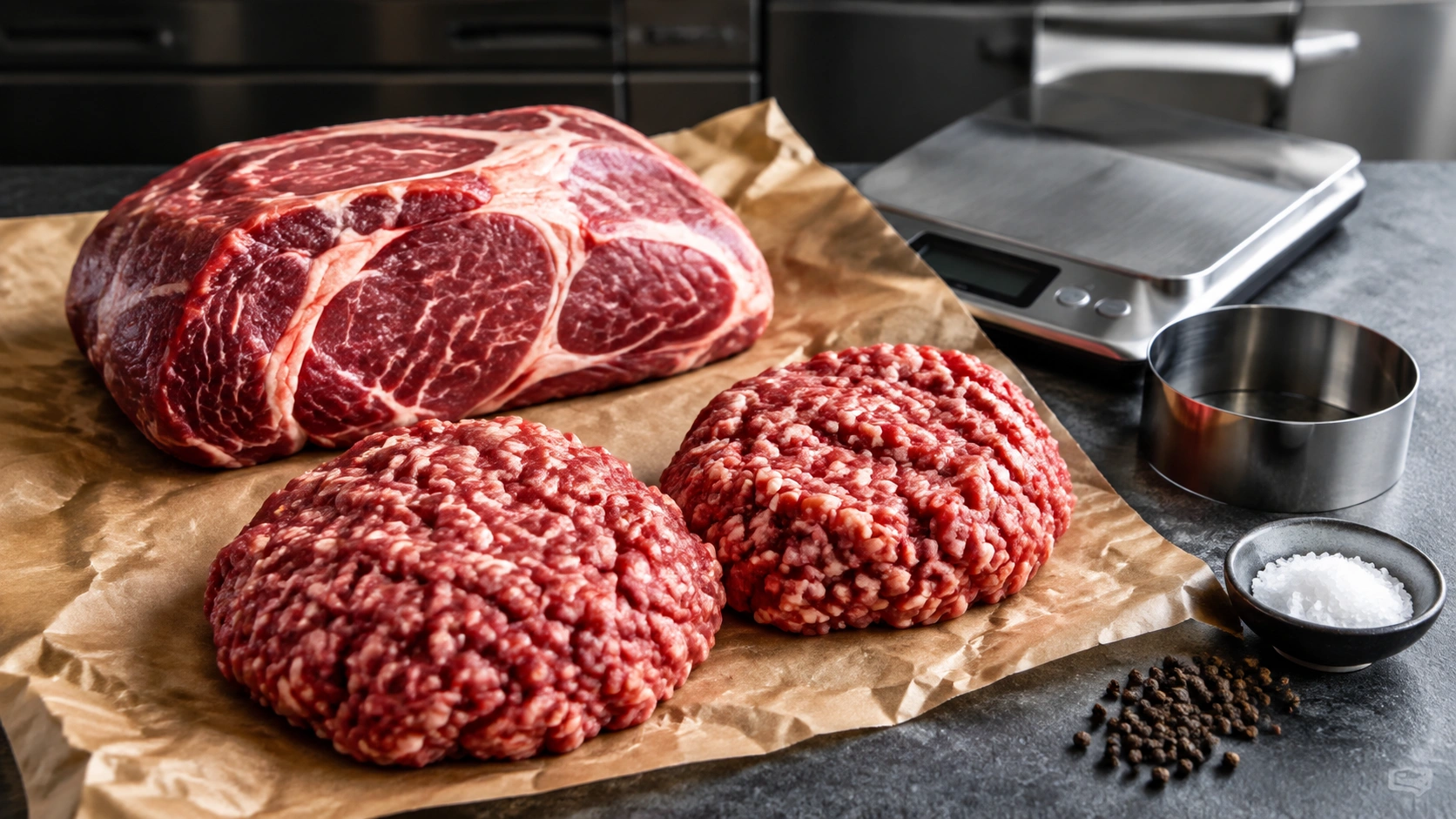
The foundation of any great burger starts with quality meat. For the best homemade burgers, choose ground beef with a fat content between 15% and 20%. The 80/20 ratio (80% lean meat, 20% fat) is the gold standard for burger making because it delivers maximum flavor while keeping your patty juicy during cooking.
Avoid extra-lean ground beef, as burgers made with 90% or higher lean meat tend to turn out dry and crumbly. The fat content is essential for moisture, flavor, and that satisfying bite texture. If you have access to a butcher, ask them to grind chuck roast fresh for you. Freshly ground beef makes a noticeable difference in both taste and texture.
When shopping for meat, look for bright red color without excessive browning. The meat should feel cold to the touch and have a fresh smell. Store it in the coldest part of your refrigerator and use within one to two days for the best results.
The Secret to a Juicy Burger Patty
Creating the perfect burger patty is where many home cooks go wrong. The key is to handle the meat as little as possible. Over-mixing or compacting the meat creates a dense, tough texture instead of the tender, juicy bite you want.
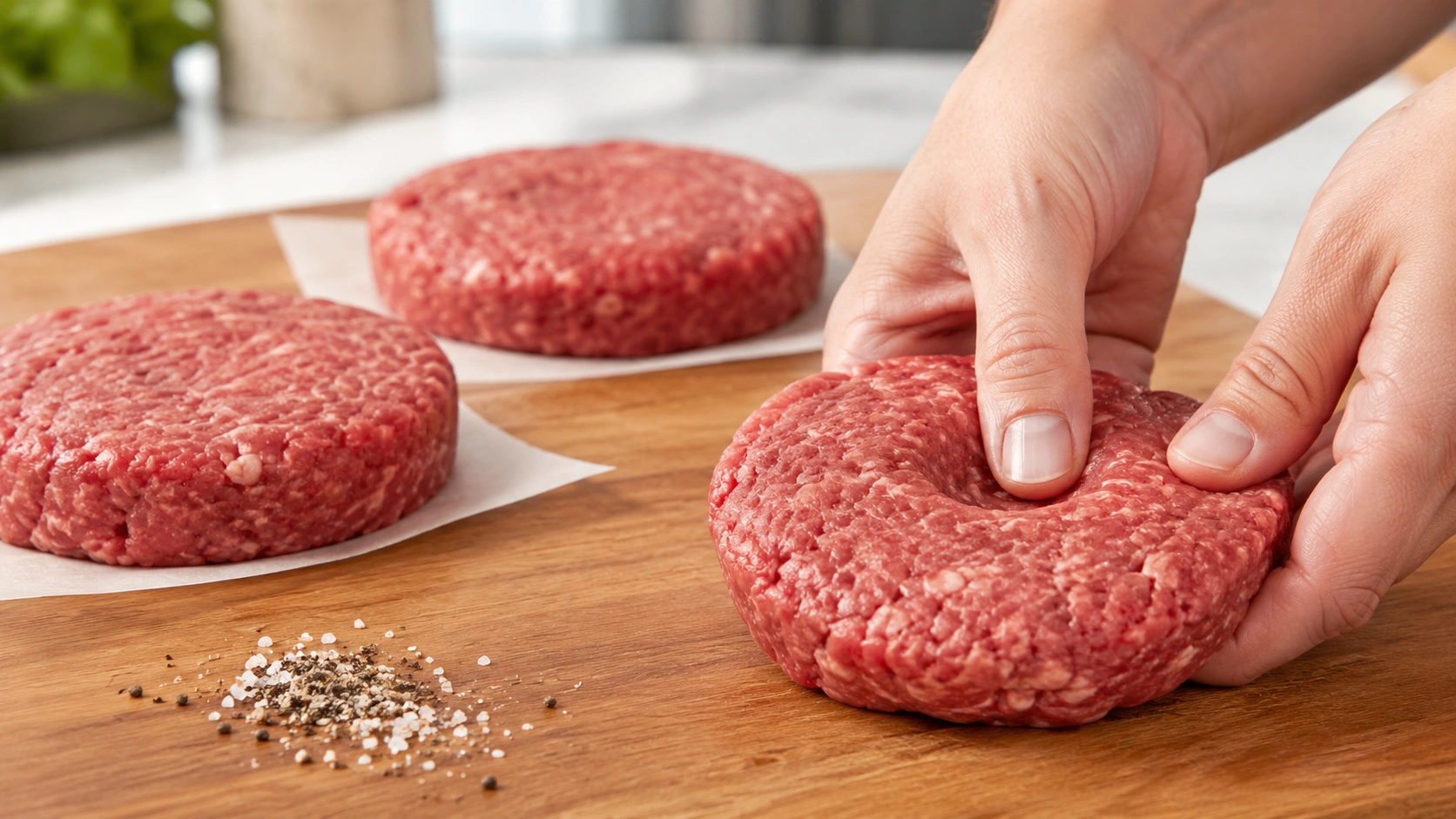
Start with cold meat straight from the refrigerator. Divide your ground beef into portions of about 150 to 180 grams each (roughly 5 to 6 ounces). Gently shape each portion into a round patty about 2 centimeters thick. Make the patty slightly wider than your bun, as it will shrink during cooking.
Here’s a crucial tip: use your thumb to press a shallow indent into the center of each patty. This dimple prevents the burger from puffing up into a dome shape as it cooks, ensuring even thickness from edge to center. This simple technique is one of the best burger making tips for achieving a flat, evenly cooked patty.
If you’re not cooking immediately, place parchment paper between stacked patties and refrigerate them. Cold patties hold their shape better when they hit the heat.
Seasoning Your Burger: Simple Tips That Make a Difference
When it comes to how to season burger patties, less is often more. The beef itself should be the star. Just before cooking, generously season both sides of each patty with salt and freshly ground black pepper. Avoid mixing salt into the meat before forming patties, as this can make the texture mealy.
Use more salt than you think you need. A good rule is about half a teaspoon of coarse salt per patty. The seasoning should be visible on the surface. Salt not only enhances flavor but also helps create that delicious brown crust.
While classic salt and pepper is perfect, you can experiment with garlic powder, onion powder, or smoked paprika for extra depth. Whatever seasonings you choose, apply them right before cooking, not hours in advance, to prevent the salt from drawing out moisture.
Cooking Methods: Grill, Pan, or Oven?
The method you choose for how to cook burgers depends on your equipment and preference, but each has its advantages.
Grilling
Grilling delivers that smoky, charred flavor many people love. Preheat your grill to high heat (around 230 to 260 degrees Celsius). Oil the grates to prevent sticking. Place patties on the grill and resist the urge to press down with a spatula, which squeezes out flavorful juices. Cook for 3 to 4 minutes per side for medium doneness, flipping only once.
Pan-Frying
A heavy cast-iron skillet or stainless steel pan works beautifully for indoor cooking. Heat the pan over medium-high heat until very hot. Add just a small amount of oil or use the fat from the burger itself. Cook for 3 to 4 minutes per side, again flipping only once. The pan method creates an excellent crust and works well year-round regardless of weather.
Oven
For cooking multiple burgers at once, the oven is practical. Preheat to 200 degrees Celsius. Place patties on a baking sheet lined with parchment paper or a wire rack. Cook for about 15 to 18 minutes, flipping halfway through. While this method won’t give you the same crust as grilling or pan-frying, it’s consistent and hands-off.
Regardless of method, use a meat thermometer to check doneness. For a medium burger, aim for an internal temperature of 60 to 63 degrees Celsius. Remember that the burger will continue cooking slightly after you remove it from heat.
Building the Perfect Burger: Assembly Order Matters
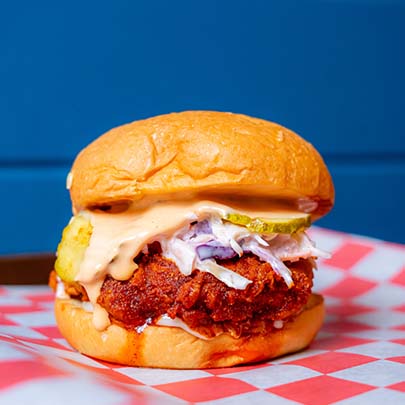
How you assemble your burger affects both presentation and eating experience. Here’s the optimal order from bottom to top:
- Bottom bun: Lightly toast it to create a barrier against moisture
- Sauce or condiment: A thin layer of mayo, mustard, or special sauce
- Lettuce: Creates another moisture barrier and adds crunch
- Tomato: Pat dry with paper towel to remove excess moisture
- Burger patty: Your perfectly cooked, juicy centerpiece
- Cheese: Place on the hot patty so it melts slightly
- Pickles and onions: Add tang and texture
- Top bun: Also lightly toasted
This order keeps wet ingredients away from the bottom bun, preventing sogginess. The lettuce and toasted bun act as shields, while placing cheese directly on the hot patty ensures it melts beautifully.
Choose a sturdy bun that can support the weight of your toppings. Brioche, potato rolls, and sesame seed buns are popular choices. Always toast the cut sides lightly in a dry pan or on the grill for about 30 seconds. This simple step makes a remarkable difference in texture and helps the bun hold up during eating.
Common Burger Making Mistakes to Avoid
Even experienced home cooks make these burger cooking mistakes. Here’s what to watch out for:
Overworking the meat: Mix and shape gently. Treating the meat like bread dough creates a dense, tough patty instead of a tender one.
Making patties too thick: Burgers thicker than 2.5 centimeters often end up burnt on the outside and raw in the middle. Keep them relatively thin for even cooking.
Flipping too often: Flip your burger only once. Constant flipping prevents proper crust formation and leads to uneven cooking.
Pressing down with a spatula: This common mistake squeezes out the juices that make burgers flavorful and moist. Let the patty cook undisturbed.
Cooking from frozen: Always thaw frozen patties in the refrigerator before cooking. Frozen patties cook unevenly and often burn on the outside while remaining cold inside.
Skipping the rest period: Like steak, burgers benefit from resting for 2 to 3 minutes after cooking. This allows juices to redistribute throughout the patty.
Adding too many toppings: While creativity is fun, piling on too many ingredients can overwhelm the beef flavor and make the burger difficult to eat. Choose toppings that complement rather than compete.
Final Tips for Burger Success
Now that you know how to make juicy burgers at home, remember that practice makes perfect. Start with these fundamentals and adjust to your personal taste. Keep your ingredients cold until cooking time, season generously, avoid over-handling the meat, and don’t press down while cooking.
The beauty of homemade burger recipes is complete control over quality and customization. You choose the meat grade, fat content, seasonings, and toppings. Whether you prefer classic cheeseburgers or want to experiment with gourmet combinations, these burger making tips give you the foundation for consistent, delicious results every time you fire up the grill or heat up your pan.
With quality ingredients, proper technique, and a little attention to detail, you’ll be creating perfect burgers that rival your favorite restaurants. The satisfaction of biting into a juicy, flavorful burger you made yourself makes every step worthwhile.