
Burger Seasoning: Simple Blends That Make Patties Incredible
The difference between an okay burger and an incredible one often comes down to one thing: proper burger seasoning. While a quality patty is essential, the right blend of spices transforms ordinary ground meat into something memorable. Whether you’re grilling beef, turkey, or veggie patties, understanding how to season burgers correctly will elevate your entire cooking game.
This guide walks you through everything from the classic salt-and-pepper approach to creative homemade blends, plus the crucial timing question that trips up even experienced cooks.
Why Proper Seasoning Matters for Burgers
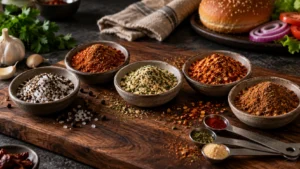
Seasoning does more than add flavor. It enhances the natural taste of the meat, creates a flavorful crust during cooking, and can even improve texture. A well-seasoned burger stimulates multiple taste receptors, making each bite more satisfying.
Without adequate seasoning, even premium ground beef tastes flat and one-dimensional. The protein needs salt to bring out its savory notes, and complementary spices add depth and complexity. The goal isn’t to mask the meat’s flavor but to amplify it.
Proper seasoning also affects how the burger cooks. Salt draws moisture to the surface, which then evaporates during cooking to create that coveted caramelized crust. This Maillard reaction is what gives burgers their irresistible aroma and rich, complex flavor.
The Classic: Salt and Pepper Done Right
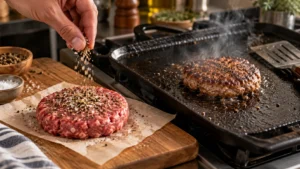
Before exploring complex blends, master the basics. The best spices for burgers start with just two ingredients: coarse salt and freshly cracked black pepper. This simple combination has stood the test of time for good reason.
Use kosher salt or sea salt rather than table salt. The larger crystals dissolve more slowly, seasoning the meat more evenly without creating overly salty pockets. For a standard quarter-pound patty, about three-quarters of a teaspoon of salt is ideal.
Freshly ground black pepper makes a noticeable difference compared to pre-ground. Aim for a coarse grind that provides texture and pops of peppery heat. Use roughly half as much pepper as salt, adjusting to your preference.
This minimalist approach lets the meat shine while providing the fundamental seasoning every burger needs. It’s particularly important when working with high-quality beef that has excellent flavor on its own.
5 Simple Homemade Burger Seasoning Blends
Once you’ve mastered salt and pepper, these easy burger seasoning recipe options add variety without requiring a spice cabinet overhaul. Each blend works for about one pound of ground meat (four quarter-pound patties).
Classic Steakhouse Blend
- 1 tablespoon kosher salt
- 1 teaspoon black pepper
- 1 teaspoon garlic powder
- 1 teaspoon onion powder
- ½ teaspoon smoked paprika
Smoky BBQ Seasoning
- 1 tablespoon kosher salt
- 1 teaspoon black pepper
- 1 teaspoon smoked paprika
- 1 teaspoon brown sugar
- ½ teaspoon cumin
- ½ teaspoon chili powder
Garlic Herb Blend
- 1 tablespoon kosher salt
- 1 teaspoon black pepper
- 1 teaspoon garlic powder
- 1 teaspoon dried oregano
- ½ teaspoon dried thyme
- ½ teaspoon dried basil
Spicy Cajun Mix
- 1 tablespoon kosher salt
- 1 teaspoon black pepper
- 1 teaspoon paprika
- 1 teaspoon cayenne pepper
- 1 teaspoon garlic powder
- ½ teaspoon oregano
Southwest Chipotle Seasoning
- 1 tablespoon kosher salt
- 1 teaspoon black pepper
- 1 teaspoon chipotle powder
- 1 teaspoon cumin
- ½ teaspoon garlic powder
- ½ teaspoon coriander
Mix any of these burger spice mix recipes in advance and store in an airtight container for up to six months. Having pre-mixed blends ready makes weeknight burger cooking even easier.
When to Season Your Burgers: Timing Matters
The question of when to season burger patties sparks heated debate among cooks. The answer depends on how you’re seasoning and what result you want.
For external seasoning (coating the outside of formed patties), season immediately before cooking. Apply your burger seasoning generously to both sides just before the patties hit the heat. This method creates maximum crust formation without drawing excess moisture from the meat beforehand.
Many cooks wonder should you season burgers before or after cooking when it comes to mixing seasonings into the meat. If incorporating spices throughout the patty, do so gently and quickly, then cook within 30 minutes. Extended exposure to salt can change the meat’s texture, making it more sausage-like and less tender.
Never season patties hours in advance. Salt pulls moisture out of the meat over time, leading to drier burgers. The exception is if you’re intentionally dry-brining for at least 24 hours, which actually redistributes moisture back into the meat, but that’s a different technique entirely.
The safest approach: form your patties, refrigerate them unseasoned, then apply your burger seasoning right before cooking. This gives you the best of both worlds: well-formed patties and optimal seasoning timing.
Seasoning for Different Types of Patties
Different proteins benefit from different seasoning approaches. Understanding what spices go on hamburgers of various types helps you adapt your technique.
Beef Burgers
Beef has robust flavor that stands up to bold seasonings. The classic blends above all work beautifully. For fattier blends (80/20), simpler seasoning lets the beef flavor shine. Leaner beef (90/10) benefits from more complex spice blends to add interest.
Turkey Burgers
Turkey’s milder flavor needs more seasoning support. Garlic herb and Southwest blends work particularly well. Consider adding Worcestershire sauce or mustard powder to deepen the savory notes. Be generous with seasoning, as turkey can taste bland if underseasoned.
Chicken Burgers
Similar to turkey, chicken burgers need assertive seasoning. Mediterranean-inspired blends with oregano, garlic, and lemon pepper work beautifully. Don’t be shy with salt, as chicken requires more than beef to taste properly seasoned.
Veggie and Plant-Based Burgers
These patties often come pre-seasoned, but a light coating of your homemade burger seasoning on the exterior before cooking adds a flavorful crust. Focus on spices like smoked paprika, cumin, and garlic powder that add umami depth.
For all types of patties, the fundamentals remain the same. Season generously, time it right, and adjust intensity based on the protein’s natural flavor strength. If you’re working on perfecting your overall technique, check out our comprehensive guide on how to make the perfect burger at home for step-by-step instructions.
Store-Bought vs. Homemade Seasoning
Commercial burger seasonings offer convenience, but homemade blends give you complete control over flavor and ingredients. Here’s how they compare.
Store-bought seasonings often contain anti-caking agents, preservatives, and sometimes excessive salt or sugar. They’re perfectly fine in a pinch, but the flavor tends to be one-dimensional. Popular brands lean heavily on garlic and onion powder with little complexity.
Homemade burger seasoning costs less and tastes fresher. You control the salt level, spice intensity, and flavor profile. Making your own takes just five minutes and the ingredients last months. You can also customize blends for dietary needs, reducing sodium or avoiding specific allergens.
That said, quality commercial seasonings have their place. They’re consistent, require zero prep, and some specialty blends use hard-to-find ingredients. If you buy pre-made seasonings, read labels carefully and choose options without MSG or excessive fillers if that matters to you.
The best approach? Keep a homemade classic blend as your go-to, and have one or two specialty store-bought options for variety. This gives you flexibility without sacrificing quality.
Common Seasoning Mistakes to Avoid
Even experienced cooks make these burger seasoning errors. Avoid them to consistently produce incredible patties.
Over-mixing seasoning into the meat: If you’re incorporating spices throughout the patty, mix gently and briefly. Overworking the meat develops protein strands that make burgers tough and dense. Fold seasonings in just until evenly distributed.
Under-seasoning: The most common mistake by far. Burgers need more salt than you think. Don’t be timid. A proper burger spice mix should be visibly coating the patty surface, and you should taste the seasoning in every bite.
Using old spices: Ground spices lose potency after six months. If your paprika or garlic powder has been in the cabinet for years, it’s probably contributing little flavor. Buy smaller quantities of fresh spices and replace them regularly.
Seasoning too early: As mentioned, salt draws moisture out over time. Season right before cooking, not hours in advance, unless you’re following a specific dry-brine recipe.
Forgetting to season both sides: Don’t just season the top. Both sides of the patty need attention. Apply your burger seasoning evenly to ensure every bite is flavorful.
Using table salt: Fine table salt dissolves too quickly and can create salty pockets. Stick with kosher or coarse sea salt for better distribution and texture.
Adding wet ingredients to dry seasonings: If your burger seasoning recipe includes liquid components like Worcestershire sauce or soy sauce, add those to the meat first, then coat with dry spices. This prevents clumping and ensures even coverage.
Avoiding these pitfalls will dramatically improve your results. Combined with proper cooking technique, good seasoning turns average patties into restaurant-quality burgers at home.
Whether you’re cooking classic beef burgers or exploring healthier options, proper seasoning is non-negotiable. For lighter alternatives that still deliver on flavor, explore our collection of healthy burger recipes that pair perfectly with these seasoning techniques.
Mastering burger seasoning is one of the simplest ways to elevate your cooking. Start with the classic salt and pepper combination, experiment with homemade blends, pay attention to timing, and season generously. Your taste buds will thank you.